
Shelter Load Factor: The Operational Metric Behind Every Crisis — And the ACSMM™ Framework That Makes It Measurable
Introduction: Every Shelter is Fighting a Force It Cannot See
Every animal shelter in America faces a daily, invisible challenge—one that determines whether it thrives, merely survives, or ultimately fails. This challenge isn’t just about funding, staffing, or even the number of animals in care. It’s about load: the cumulative, often unseen pressure that builds across every operational domain, from intake and medical care to staffing, infrastructure, and community demand.
Yet, despite its central role, “load” remains one of the least understood and least managed forces in the field of animal welfare. Most shelters operate reactively, responding to crises as they arise, without the tools or frameworks to see, measure, or control the very pressures that drive outcomes. As a result, even the most dedicated teams can find themselves overwhelmed—struggling to keep pace with rising intake, mounting costs, and the emotional toll of preventable euthanasia.
Enter the Animal Care Shelter Maturity Model (ACSMM™): the first framework designed to identify, monitor, and manage shelter load scientifically, holistically, and in near real time. By applying principles from energy, aviation, manufacturing, and behavioral economics, the ACSMM empowers shelters to see their operational pressures clearly, respond proactively, and achieve sustainable, lifesaving outcomes.
In the pages that follow, we’ll explore why load is the invisible force shaping every shelter’s fate, how the ACSMM provides the architecture to manage it, and why a new metric—Shelter Load Factor (SLF) —may become the most important KPI in the field. The journey begins with a story about energy, but it ends with a blueprint for saving lives.
The Dr. Rosenfeld Story: Systems Thinking in Action
In the early 2000s, a pivotal moment in systems management unfolded in Sacramento, California. Dr. Art Rosenfeld, then chairman of the California Energy Commission, convened a meeting with utility directors and industry leaders from across the nation to address a growing crisis: energy demand (Load) was outpacing generation capacity, and the state’s newly deregulated power grid was under unprecedented strain.
As a member of Motorola’s Utility Solutions Division and Certified Energy Manager, I was in attendance and witnessed Dr. Rosenfeld distill decades of engineering wisdom into a single, elegant formula. Stepping to the whiteboard, and without saying a word, he wrote:
“Meter + Display = Motivation to Curtail Load.”
His insight was profound. By equipping energy consumers with a real-time meter - an instrument to communicate system status and then displaying their own usage—utilities could motivate behavioral change and reduce demand before the system reached a breaking point. But Dr. Rosenfeld didn’t stop there. He turned and said as he wrote, if you really want to accelerate the way customers behave, show them the cost of their energy use in real time – not at the end of the month when their bill arrives. He added a critical third element to his formula:
“Meter + Display + Cost = Accelerated Motivation to Curtail Load.”
By showing consumers not only their energy usage but also the financial impact of their choices, utilities could drive even deeper, sustained changes in consumption patterns. Real-time feedback, paired with cost transparency, became the lever to reduce load on the energy grid while maintaining control and predictability in generating capacity.
This principle—rooted in systems engineering and behavioral economics—transformed how energy grids were managed. Instead of waiting for annual reports or reacting to emergencies, utilities could monitor load continuously, communicate instantly, and motivate users to adjust their load in real time. Which leads to a primer on Load.
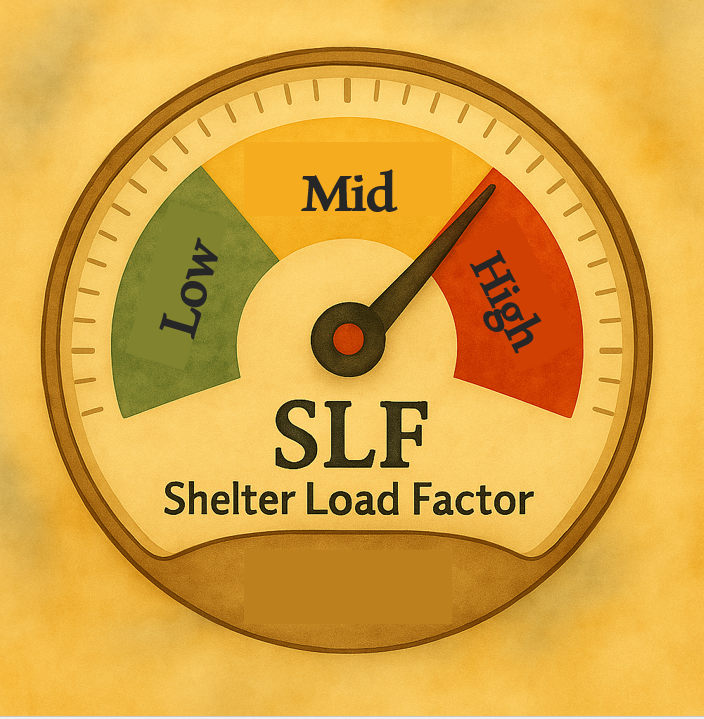
Figure 1. Shelter Load Factor (SLF)
This illustration introduces Shelter Load Factor (SLF) as a system-wide operational indicator. The gauge represents the relative level of cumulative load acting on a shelter across multiple domains. As load moves from high toward low, operational stability increases, decision-making improves, and capacity for sustained lifesaving expands. The ACSMM provides the structure required to measure, interpret, and reduce unmanaged load.
Load Factor – an Invisible Force
Load Factor (LF) serves as a crucial metric in analyzing energy operations by revealing patterns of load and consumption over time, which informs decisions for improvements and cost savings. By reviewing detailed energy data, identifying load types, and assessing system performance—such as lighting, HVAC, and motors—facilities can target upgrades and predict their impact on usage and expenses, ultimately helping to calculate potential return on investment (ROI). Understanding load and proactively managing load may ultimately determine success or failure no matter the industry.
Translating Energy Curtailment Concepts to Sheltering Systems
The lesson from Dr. Rosenfeld’s formula is clear: complex systems thrive when they make load visible, actionable, and meaningful. Today, animal shelters face a similar challenge. The pressures of intake, medical emergencies, staff shortages, and financial constraints build up invisibly, often overwhelming even the most dedicated teams. Most shelters only see the full impact of these pressures at the end of the year—when it’s too late to intervene.
But what if shelters could monitor their operational load in near real time? What if they could communicate status, display key metrics, and show the cost implications of every decision? By adapting Rosenfeld’s systems-thinking approach, shelters can move from reactive crisis management to proactive, data-driven leadership.
This is the foundation for the Animal Care Shelter Maturity Model (ACSMM™)—a framework designed to bring real-time load management, transparency, and efficiency to the world of animal welfare. The story of Dr. Rosenfeld sets the stage for a new era in sheltering: one where invisible pressures become visible, manageable, and ultimately, surmountable.
Those who manage load win. Those who don’t get crushed.
Translating Load Theory to Animal Sheltering
The concept of “load” is foundational in fields like energy management, aviation, and manufacturing—where system success depends on the ability to measure, monitor, and manage pressure in near real time. In animal sheltering, however, load has remained largely invisible, even as it shapes every outcome from intake rates to staff burnout and euthanasia.
What is “load” in a shelter?
Load encompasses all the pressures that accumulate within a shelter’s operational environment. It includes the number and complexity of animals in care, the volume of medical and behavioral cases, staffing levels, facility capacity, financial constraints, and even community-driven factors like poverty and housing instability. Each of these domains contributes to the overall stress on the system, and when unmanaged, can push shelters toward crisis.
Why is load management critical?
Most shelters respond to problems as they arise—reactively, rather than proactively. Without a framework to visualize and quantify load, leaders are often blindsided by sudden spikes in intake, unexpected medical emergencies, or resource shortages. The result is a cycle of overwhelm: staff fatigue rises, costs escalate, and lifesaving outcomes diminish.
Applying Systems Thinking: The ACSMM Solution
Inspired by Dr. Rosenfeld’s formula—where communication, display, and cost transparency motivate real-time behavioral change—animal sheltering can adopt a similar approach. The Animal Care Shelter Maturity Model (ACSMM™) is designed to bring the principles of load management into the shelter environment. It provides:
Communication: Clear expectations, shared language, and cross-team alignment.
Display: Real-time dashboards, heatmaps, and operational indicators.
Cost: Efficiency modeling avoided cost pathways, and philanthropic ROI.
By making load visible and actionable, ACSMM empowers shelter leaders to anticipate challenges, allocate resources efficiently, and intervene before pressures become unmanageable. Instead of waiting for annual reports or post-crisis analysis, shelters can monitor their operational health continuously—adjusting strategies and improving outcomes in near real time.
The result:
Shelters move from reactive crisis management to proactive, data-driven leadership. Load becomes not just a challenge to endure, but a force to understand, control, and ultimately, impact.
ACSMM is a load-management system disguised as a maturity model.
The Eight Domains of Shelter Load
To truly manage shelter “load,” it’s essential to recognize that pressure doesn’t come from a single source. Instead, it accumulates across multiple, interconnected domains—each contributing to the overall stress on the system. The Animal Care Shelter Maturity Model (ACSMM™) identifies and quantifies these eight domains, providing a comprehensive framework for operational excellence.
1. Intake Load
Definition: The volume and type of animals entering the shelter: strays, owner surrenders, transfers, and cruelty/neglect cases. Seasonality, predictability, and the complexity of cases (e.g., juvenile animals, special needs) all increase intake load.
Key Metrics: Total intake, intake by type, seasonality, predictability, juvenile ratios, and complexity (e.g., special needs, cruelty cases).
ACSMM Approach: Intake is tracked continuously, with predictive analytics to anticipate surges and allocate resources before crises develop.
2. Medical Load
Definition: The number and severity of animals requiring medical care, surgeries, chronic illness management, and urgent interventions. Includes daily medication events and the ratio of veterinary staff to medical cases.
Key Metrics: Number of animals requiring treatment, surgeries, chronic illness cases, medication events, urgent cases, and vet staffing ratios.
ACSMM Approach: Medical load is indexed by severity and resource requirements, enabling shelters to forecast needs and optimize veterinary staffing.
3. Behavioral Load
Definition: The prevalence and complexity of behavioral cases, including animals needing training, rehabilitation, or risk evaluations. Measured by staff hours dedicated to behavior programs and the severity of cases.
Key Metrics: Behavior case counts, severity categories, training time, risk evaluations, and staff hours.
ACSMM Approach: Behavioral load is scored to identify trends, allocate staff, and prioritize interventions that reduce length of stay and improve outcomes.
4. Capacity Load
Definition: The relationship between animals-in-care and the shelter’s physical and foster capacity. Includes kennel utilization, foster program participation, length of stay, and turnover rates.
Key Metrics: Kennel utilization, foster program participation, length of stay, turnover rates, and foster utilization percentage.
ACSMM Approach: Capacity load is monitored in near real time, with dashboards showing occupancy, bottlenecks, and opportunities for expansion or redistribution.
5. Staffing Load
Definition: The staff-to-animal ratio, staff turnover, overtime hours, sick leave, open positions, and volunteer engagement. High staffing load can lead to burnout, errors, and reduced quality of care.
Key Metrics: Staff-to-animal ratio, turnover, overtime, sick leave, open positions, and volunteer hours.
ACSMM Approach: Staffing load is balanced to prevent burnout, ensure coverage, and maintain high standards of care, with alerts for critical thresholds.
6. Community-Driven Load
Definition: External pressures such as regional poverty, eviction rates, emergency surrender requests, veterinary cost barriers, housing restrictions, and stray animal density. These factors often drive intake and resource needs beyond the shelter’s direct control.
Key Metrics: Regional poverty index, eviction rates, emergency surrender requests, veterinary cost barriers, housing restrictions, and stray density.
ACSMM Approach: Community-driven load is integrated using public datasets and local indicators, allowing shelters to adjust strategies in response to changing conditions.
7. Infrastructure Load
Definition: The condition and reliability of shelter facilities: building age, HVAC and lighting systems, cleaning cycles, energy and water usage, maintenance needs, and downtime. Infrastructure weaknesses can amplify other loads and increase operational risk.
Key Metrics: Building age, HVAC reliability, cleaning cycle time, energy and water usage, maintenance cycles, and facility downtime.
ACSMM Approach: Infrastructure load is assessed using a Facility Condition Index (FCI), with proactive maintenance and upgrades prioritized to prevent operational disruptions.
8. Administrative Load
Definition: The burden of policy compliance, data quality, reporting requirements, governance gaps, and technology adoption. Administrative inefficiencies can obscure true load and hinder effective management.
Key Metrics: Policy rigidity, data quality, reporting lapses, governance gaps, compliance failures, and technology integration.
ACSMM Approach: Administrative load is scored via ACSMM maturity ratings, with continuous improvement processes to streamline operations and enhance transparency.
How ACSMM Quantifies and Manages Load Across Domains
Integrated Dashboards: Real-time visualization of load across all eight domains, enabling leaders to spot trends, forecast challenges, and intervene early.
Composite Load Index: Aggregates domain scores into a single operational load metric, forming the denominator for the SLF KPI.
Continuous Feedback: Shelters receive ongoing updates, not just annual reports, allowing for rapid adjustments and sustained improvement.
Strategic Resource Allocation: Data-driven insights guide staffing, medical care, facility upgrades, and community outreach, maximizing efficiency and lifesaving impact.
When shelters lack operational maturity, load does not accumulate evenly. It spikes unpredictably across domains, overwhelms staff and systems, and creates instability that leaders often misinterpret as isolated failures. This kind of load is difficult to diagnose because it is fragmented, asynchronous, and largely invisible without a systems-level lens.
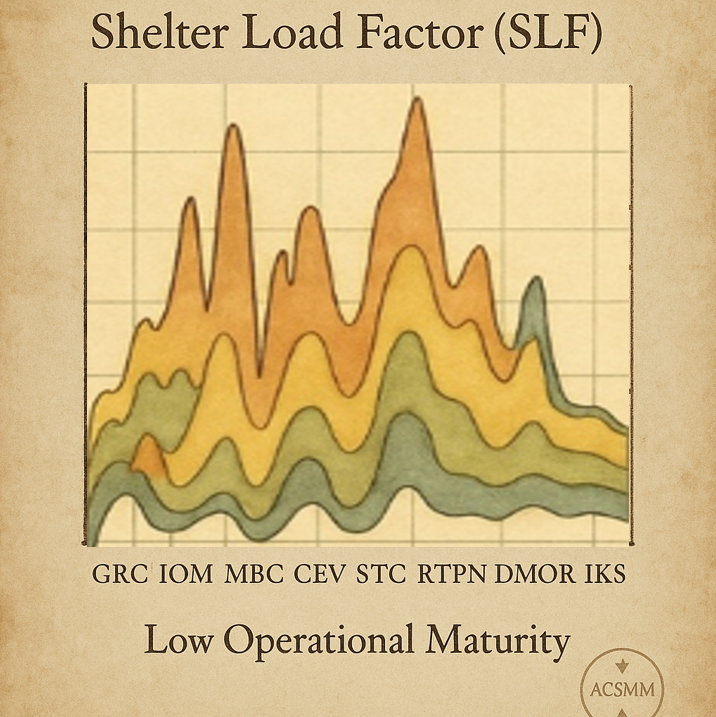
Figure 2. Shelter Load Factor (SLF) Under Low Operational Maturity
This illustration depicts unmanaged operational load across eight shelter domains in a low-maturity environment. Load manifests as uneven, spiking, and poorly synchronized stress across domains—creating instability, staff burnout, reactive decision-making, and unpredictable outcomes. In this state, load is not governed by intent or effort; it is shaped by the absence of operational structure.
Why Traditional Metrics Fall Short
For decades, the animal sheltering field has relied on a handful of familiar metrics to gauge success: Live Release Rate (LRR), euthanasia per 1,000 animals, total intake, length of stay, and counts of adoptions, fosters, or transfers. While these numbers are important, they paint only a partial—and often misleading—picture of shelter performance.
Limitations of Traditional Metrics:
One-Dimensional Focus:
Metrics like LRR and euthanasia rates measure outcomes but ignore the complexity and pressure under which those outcomes are achieved. A shelter with a high LRR may be operating under minimal load, while another with a lower LRR may be performing heroically under extreme pressure.Backward-Looking and Easily Manipulated:
Many traditional metrics are calculated after the fact, making it difficult for leaders to intervene in near real time. They can also be influenced by selective reporting or short-term tactics that don’t address underlying system weaknesses.Lack of Context:
Intake numbers and length of stay describe activity, not efficiency. They fail to account for the operational load—medical complexity, behavioral challenges, staffing shortages, infrastructure limitations, and community-driven pressures—that shape every decision and outcome.Unfair Comparisons:
Shelters in high-intake, high-poverty communities often appear to underperform when judged by simplistic metrics. These numbers don’t reflect the true difficulty of their work or the resilience required to save lives under heavy load.No Insight Into System Efficiency:
Traditional metrics don’t reveal how well a shelter manages its resources, absorbs pressure, or adapts to changing conditions. They miss the invisible architecture—the “load”—that determines whether a shelter can sustain lifesaving outcomes over time.
The ACSMM Difference:
The Animal Care Shelter Maturity Model (ACSMM™) moves beyond one-dimensional measurement. By quantifying operational load across eight domains and introducing new metrics like SLF, ACSMM provides a fair, actionable, and real-time view of shelter performance. This approach rewards operational maturity, exposes structural weaknesses, and empowers leaders to make data-driven decisions that truly save lives.
As operational maturity increases, load does not disappear — it stabilizes. Structured practices synchronize effort across domains, dampen peak stress, and convert volatility into manageable operational flow. What was once reactive becomes intentional, and what was once fragile gains margin.
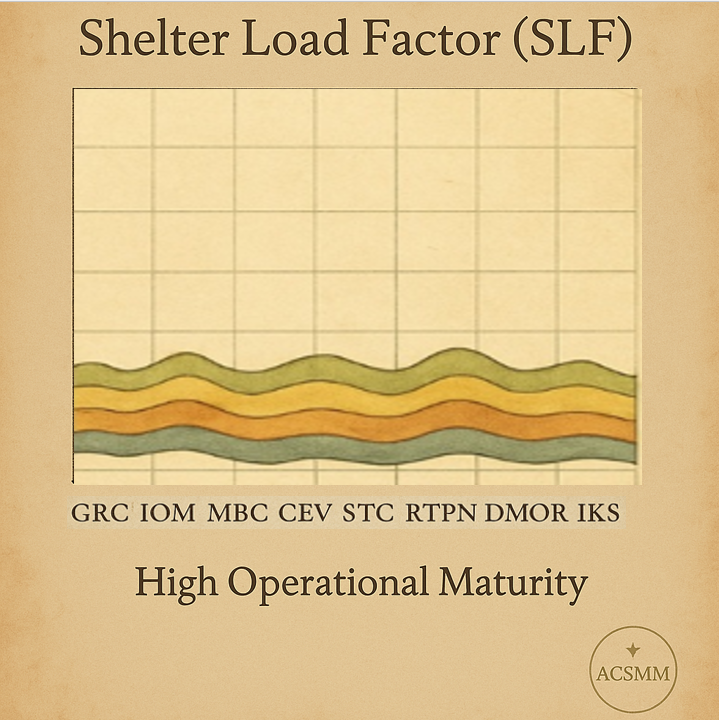
Figure 3. Shelter Load Factor (SLF) Under High Operational Maturity
This illustration shows the same eight operational domains after structured maturity practices are applied. Load remains present but is dampened, aligned, and stabilized across domains. Peak stress is reduced, variability narrows, and operational margin increases—enabling clearer decisions, safer outcomes, and sustained lifesaving performance. Load is not eliminated; it is managed.
Introducing SLF: The Breakthrough KPI
The limitations of traditional shelter metrics have long obscured the true drivers of success and efficiency.
What is SLF?
SLF is a systems-based metric that measures how effectively a shelter converts operational pressure into positive, lifesaving outcomes. Rather than simply counting adoptions or live releases, SLF asks: How many lives are saved per unit of operational load? It is calculated as:

Lifesaving Outcomes include adoptions, return-to-owner cases, transfers, medical saves, and behavior saves.
Total Operational Load is a composite index aggregating the eight domains of shelter pressure: intake, medical, behavioral, capacity, staffing, community-driven, infrastructure, and administrative load.
Across industries, one relationship appears consistently: as operational maturity increases, unmanaged load decreases. This inverse relationship explains why some shelters stabilize under pressure while others fracture, even when facing similar external conditions.
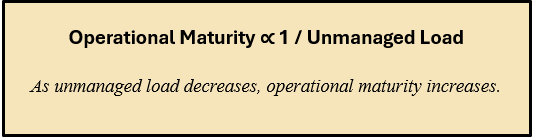
Figure 4. Relationship Between Operational Maturity and Unmanaged Load
This conceptual relationship illustrates a core systems principle observed across complex operational environments: as operational maturity increases, unmanaged load decreases. Through synchronized practices across eight domains, ACSMM maturity converts volatility into stable operational flow, enabling shelters to absorb pressure without fracture. This figure is directional, not predictive, and illustrates system behavior rather than individual shelter performance.
Why does SLF matter?
Efficiency Over Activity:
SLF reveals not just how much a shelter does, but how well it performs under pressure. Shelters facing high load and still achieving strong outcomes are recognized for their true efficiency.Real-Time, Actionable Feedback:
Unlike backward-looking metrics, SLF can be tracked continuously, allowing leaders to see the impact of operational changes and ACSMM interventions as they happen.Fairness and Transparency:
Shelters in high-intake, high-poverty communities are often unfairly judged by simplistic metrics. SLF normalizes for load, providing a level playing field and highlighting resilience.Strategic Decision-Making:
By integrating data from all eight domains, SLF guides resource allocation, process improvement, and leadership priorities—making it a true compass for operational maturity.
How is SLF used?
Dashboards and Heatmaps:
SLF can be displayed visually, showing green/yellow/red zones for system performance under load.Continuous Improvement:
As shelters adopt ACSMM practices, operational load decreases and SLF rises—demonstrating ROI and motivating further innovation.Grant Proposals and Philanthropy:
Funders and policymakers can use SLF to assess impact, justify investments, and support shelters working under challenging conditions.
A New Era in Shelter Measurement
With SLF, the field moves beyond one-dimensional statistics to a holistic, systems-engineering approach. Shelters can finally see, in near real time, how structure, efficiency, and innovation translate into lifesaving impact.
“Sustainable sheltering requires what sustainable energy, sustainable medicine, and sustainable logistics require: communication, visibility, and a clear understanding of cost. When shelters see their operational status near real time — not once per year — they change their behavior. The ACSMM provides that structure through eight domains of operational maturity, enabling shelters to reduce load, stabilize outcomes, and drive lifesaving with far greater consistency.”
Near Real-Time Management and ACSMM™'s Operational Advantages
Traditional shelter management often relies on annual reports, lagging indicators, and reactive strategies. By the time leaders recognize a crisis—whether it’s overcrowding, staff burnout, or budget overruns—the opportunity for timely intervention has often passed. The ACSMM fundamentally changes this paradigm by equipping shelters with the tools and insights needed for near real-time, proactive management.
How ACSMM Enables Near Real-Time Management
Continuous Communication:
The ACSMM Roadmap establishes clear expectations, shared language, and alignment across teams. Staff and leadership are always informed about current priorities, upcoming challenges, and progress toward goals.Dynamic Display:
Through the Compass Survey and domain-specific heatmaps, shelters gain visual, near real-time feedback on their operational health. These dashboards highlight trends, pinpoint stress points, and reveal areas needing immediate attention—long before problems escalate.Cost Visibility:
ACSMM integrates cost modeling and avoided-cost pathways, allowing shelters to see the financial impact of operational decisions in near real time. Philanthropic ROI and resource allocation become transparent, supporting smarter, more sustainable investments.Behavioral Motivation:
When staff can see the direct results of their actions—how a change in intake policy, medical protocol, or staffing allocation affects overall load and outcomes—they are empowered to make data-driven adjustments. This fosters a culture of continuous improvement and shared accountability.
Operational Advantages of ACSMM™
Early Warning System:
Near Real-time dashboards act as an “instrument panel,” alerting leaders to rising load in any of the eight domains. This enables rapid, targeted interventions that prevent crises and reduce the risk of euthanasia spikes, staff fatigue, or resource depletion.Strategic Resource Allocation:
With a clear picture of where load is building, shelters can allocate staff, medical resources, and facility upgrades precisely where they are needed most—maximizing efficiency and lifesaving impact.Transparency and Trust:
Near real-time reporting builds trust with boards, funders, and the community. Stakeholders can see progress, understand challenges, and appreciate the complexity of shelter operations.Adaptability and Learning:
The ACSMM is designed as a living system. As new data, innovations, or external pressures emerge, the model adapts—ensuring shelters remain resilient and effective in a changing environment.
From Reactive to Proactive Leadership
With the ACSMM™, shelters no longer have to “fly blind” or wait for annual reviews to understand their performance. Instead, they gain the operational clarity and agility needed to manage load, optimize outcomes, and sustain lifesaving work—every single day.
Case Studies & Analogies
Complex systems often benefit from outside perspectives—lessons learned in fields like medicine, aviation, and manufacturing can illuminate new pathways for animal sheltering. The Animal Care Shelter Maturity Model (ACSMM™) draws on these analogies to help shelter leaders see their operations in a new light.
The Ferrari Pit Crew Analogy
One of the most striking examples comes from pediatric medicine. A surgical team once invited a Ferrari Formula One pit crew to observe their patient handovers. The result was transformative:
Roles became clearer
Communication tightened
Timing improved
Medical errors dropped
Shelters, like surgical teams, often operate inside high-pressure environments that obscure operational blind spots. The ACSMM functions as that “Ferrari perspective”—an external framework that reveals inefficiencies, clarifies roles, standardizes flow, and replaces improvisation with predictable, lifesaving choreography. And unlike Ferrari, ACSMM does not come with a Ferrari price tag—it is designed to be affordably scalable and accessible to all shelters.
The Southwest Airlines Analogy
Southwest Airlines revolutionized air travel by focusing on operational efficiency, choreography, and predictable roles. Shelters can learn from this model:
Efficiency without extravagance
External expertise revealing blind spots
System transformation without blame
Cost-effective excellence
ACSMM applies these principles, helping shelters move from routine, reactive paradigms to proactive, structured operations.
International Models: The “Island Solution”
Global best practices, such as the “Island Solution” referenced in international population control efforts, show that success requires unified strategy, accountability, and consistent operational structure. ACSMM brings these attributes to large, complex U.S. shelter systems, enabling population control and load reduction at scale.
Implications for Policy and Leadership
The adoption of load-based management and the Animal Care Shelter Maturity Model (ACSMM™) signals a paradigm shift for animal welfare policy and organizational leadership. By moving beyond one-dimensional metrics and reactive strategies, shelter leaders and policymakers can unlock new levels of efficiency, transparency, and lifesaving impact.
For Policy Makers
Evidence-Based Decision Making:
With near real-time, multi-domain data, policies can be crafted and evaluated based on actual system pressures and outcomes—not just annual statistics or anecdotal reports.Fair Funding and Resource Allocation:
Load-adjusted metrics like SLF ensure that high-intake, high-need shelters are recognized for their true efficiency and resilience, supporting more equitable distribution of grants and public resources.Accountability and Transparency:
Continuous reporting and dashboarding make it possible to track progress, identify bottlenecks, and intervene early—building public trust and supporting data-driven reform.
For Shelter Leaders
Proactive, Not Reactive Leadership:
Leaders gain the tools to anticipate challenges, allocate resources strategically, and foster a culture of continuous improvement.Staff Empowerment and Retention:
Near real-time feedback and clear communication reduce burnout, clarify roles, and create a sense of shared mission—improving morale and retention.Strategic Partnerships:
Transparent, actionable data strengthens relationships with boards, funders, and community partners, making it easier to advocate for support and demonstrate impact.
For Philanthropy and Advocacy
Demonstrable ROI:
Funders can see, in near real time, how their investments translate into operational improvements and lifesaving outcomes.Scalable Innovation:
The ACSMM framework welcomes external innovation, allowing new ideas and best practices from other fields to be integrated and scaled across the sector.
The Leadership Imperative
Ultimately, managing load is not just a technical challenge—it is a test of leadership maturity. Those who understand and manage load win; those who ignore it risk being overwhelmed. By embracing the ACSMM and its systems-based approach, today’s leaders can build shelters—and policies—that are resilient, transparent, and relentlessly focused on saving lives.
Conclusion: Load Is the new Lens of Shelter Reform
The invisible force of “load” shapes every outcome in animal sheltering—determining whether organizations thrive, struggle, or fail. For too long, this force has gone unmeasured and unmanaged, leaving even the most dedicated teams vulnerable to overwhelm and inefficiency. The Animal Care Shelter Maturity Model (ACSMM™) changes that reality, offering a systems-based framework that brings clarity, structure, and real-time insight to every aspect of shelter operations.
By quantifying load across eight operational domains and introducing breakthrough metrics like SLF, ACSMM empowers leaders to move beyond reactive crisis management. Instead, they can anticipate challenges, allocate resources strategically, and drive sustainable, lifesaving outcomes—even under the most demanding conditions.
This is more than a new set of tools; it is a new way of thinking. It is the difference between flying blind and piloting with a full instrument panel, between reacting to emergencies and building resilient systems that prevent them. As the field embraces load-based management, shelters will not only meet today’s challenges—they will become models of operational excellence, transparency, and innovation.
The journey does not end here. As ACSMM continues to evolve, new insights, metrics, and best practices will emerge—welcoming contributions from shelter professionals, data scientists, and leaders in every field. Together, we can transform animal welfare one system at a time.
The future of sheltering belongs to those who see, measure, and master the invisible force of load. With ACSMM™, that future is within reach.
Author’s Note
My journey to developing the Animal Care Shelter Maturity Model (ACSMM™) began with lessons learned in energy management, aviation, energy & utility operations, and manufacturing—fields where mastering “load” is essential for success. Inspired by Dr. Art Rosenfeld’s systems-thinking approach, I recognized that animal shelters face similar pressures, often without the tools to measure or manage them.
ACSMM and the SLF metric reflect years of cross-disciplinary experience and collaboration. My hope is that this framework sparks innovation, welcomes new ideas, and helps shelters achieve sustainable, lifesaving outcomes by making the invisible force of load visible and manageable.