FEATURED ARTICLE:
Articles
Beyond Static Maturity: Why Animal Sheltering Requires an Adaptive Model
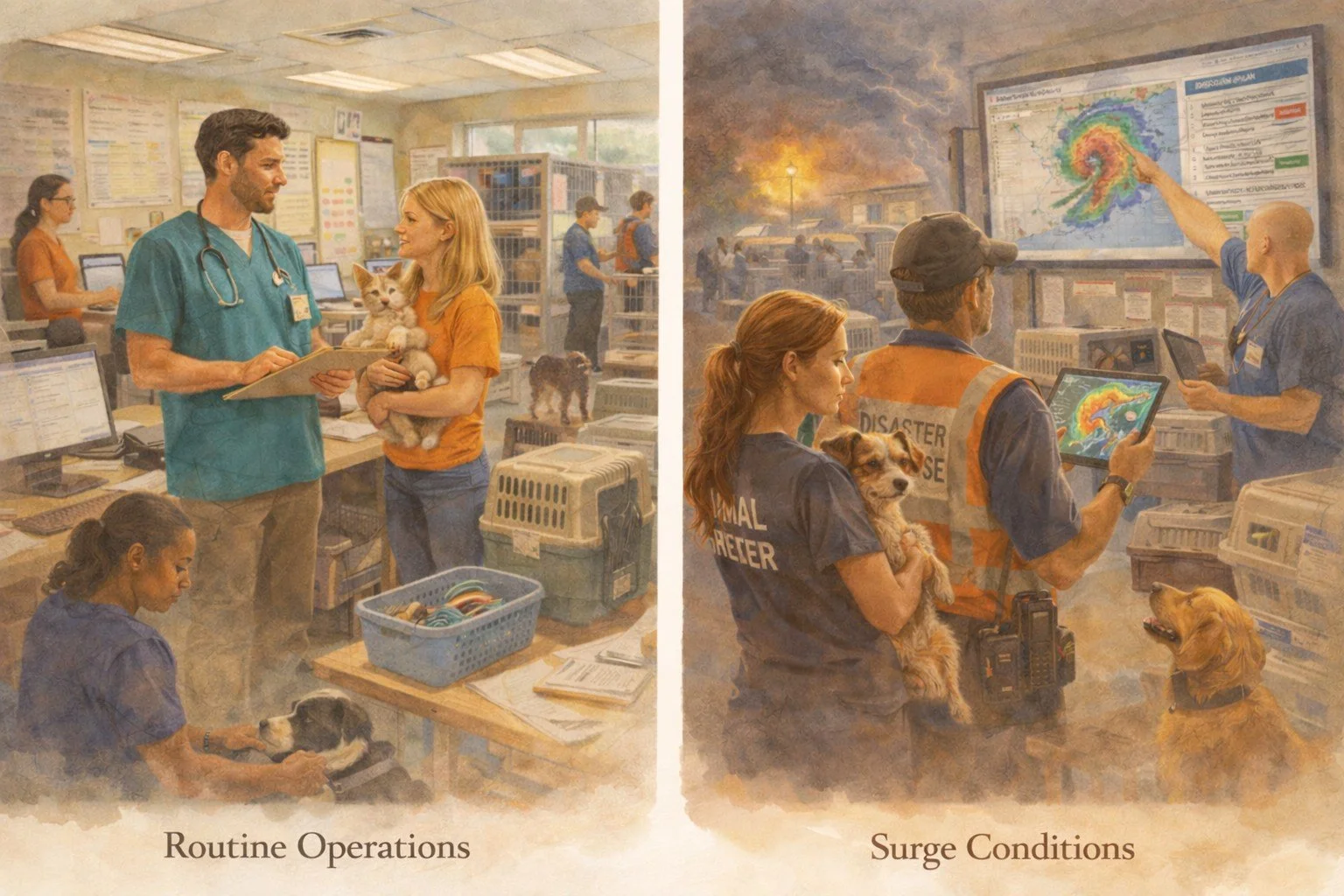
Animal shelters do not operate in stable environments. Conditions shift daily—often without warning. Intake rises. Length of stay increases. Medical and behavioral needs escalate. Capacity tightens. Decisions must be made quickly—and once made, they cannot be undone.
Shelter Load Factor: The Operational Metric Behind Every Crisis — And the ACSMM™ Framework That Makes It Measurable
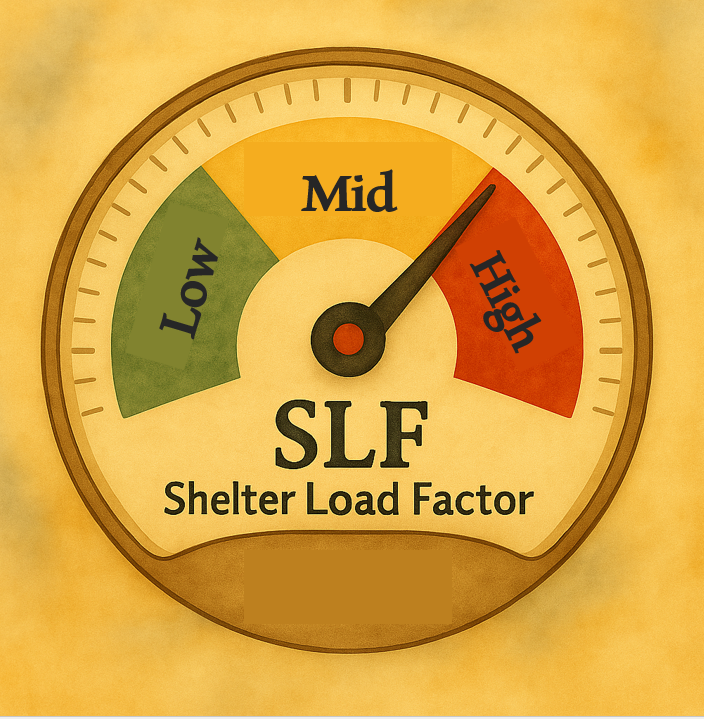
Every animal shelter in America faces a daily, invisible challenge—one that determines whether it thrives, merely survives, or ultimately fails. This challenge isn’t just about funding, staffing, or even the number of animals in care. It’s about load: the cumulative, often unseen pressure that builds across every operational domain, from intake and medical care to staffing, infrastructure, and community demand.
Beyond the Numbers: How ACSMM™ Expands the Definition of Shelter Success
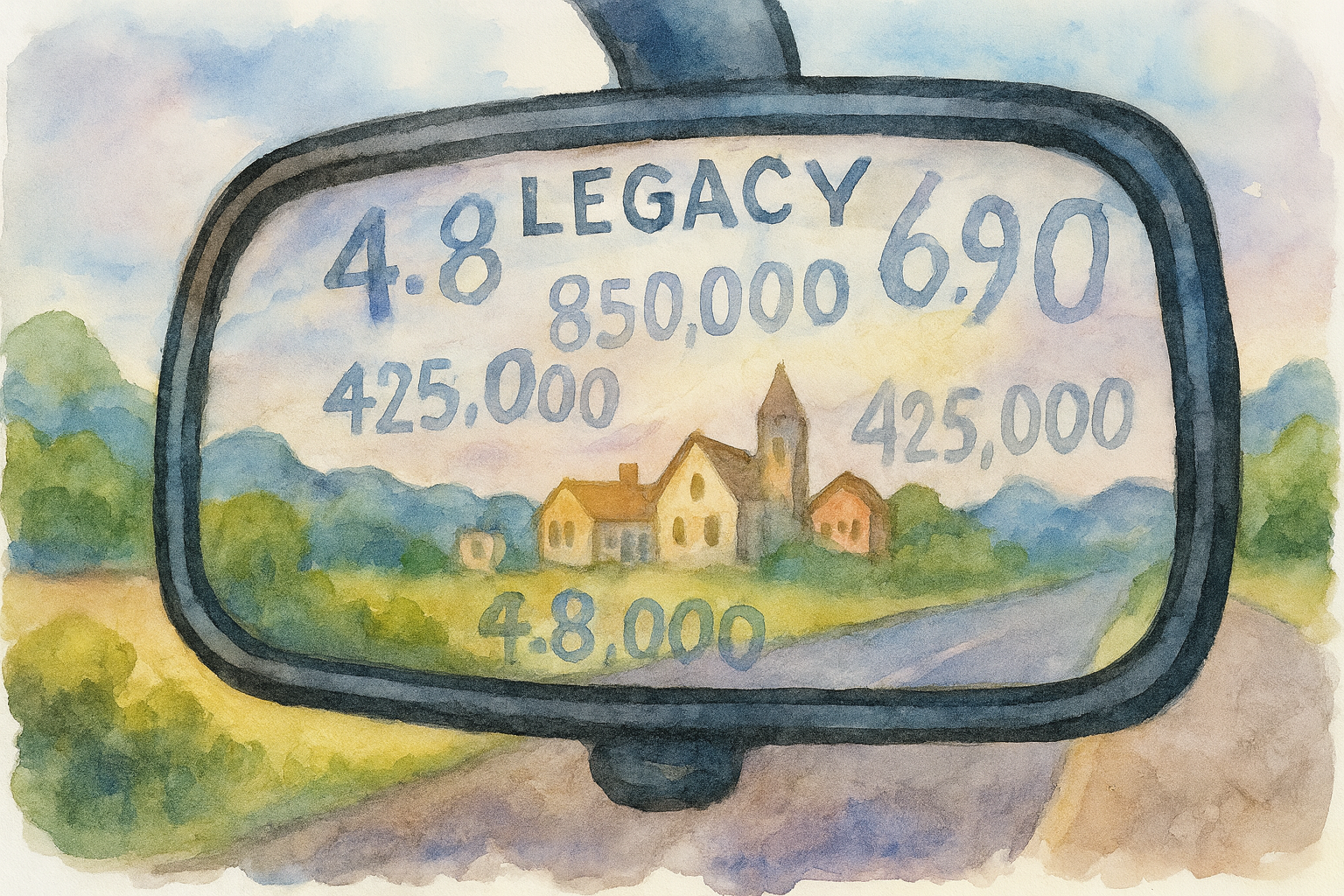
Legacy nonprofits ask shelters to drive by staring into the rearview mirror — fixated on numbers from the past, often conflicting, always partial. The ACSMM™ widens the view, giving shelters both a windshield and a compass: clear sight of the present and a defined path forward.

Beyond the 90% Mirage
Across the country, many shelters proudly report a “90% save rate” as proof that progress has arrived. On paper, the achievement seems extraordinary — a testament to compassion and community commitment. Yet behind these numbers lies a troubling truth: the metric itself has become a mirage.

Scaling Lifesaving: How a Structured Maturity Model Could Strengthen the Heigl/Riverside Framework — and Beyond
If the partnership between philanthropic organizations, public service entities, and scientific approaches exemplified by the Heigl/Riverside initiative can be effectively modeled, the impact could reach far beyond Riverside — transforming a local achievement into a statewide template and, ultimately, a national turning point for animal welfare.