FEATURED ARTICLE:
Articles
Beyond Static Maturity: Why Animal Sheltering Requires an Adaptive Model
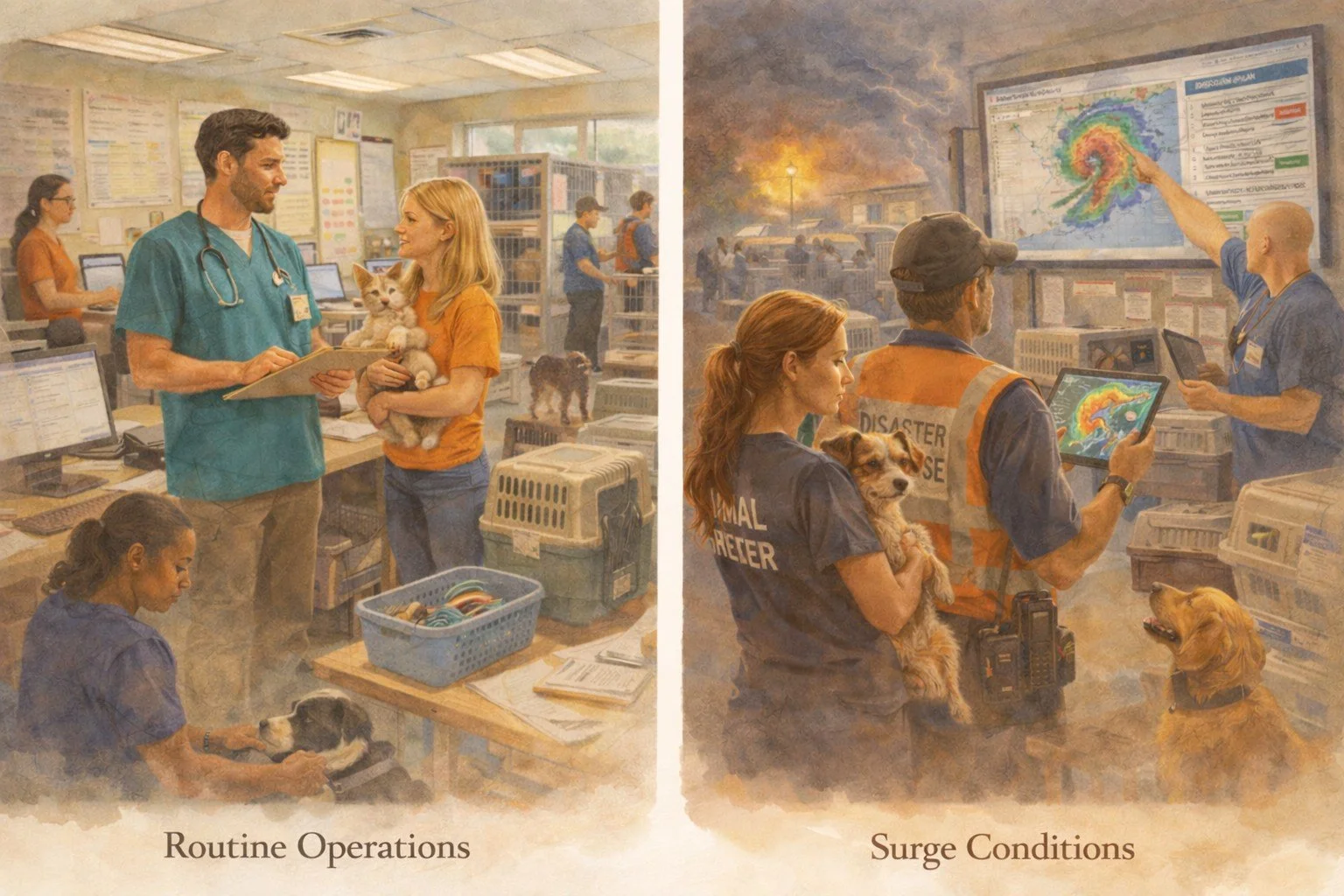
Animal shelters do not operate in stable environments. Conditions shift daily—often without warning. Intake rises. Length of stay increases. Medical and behavioral needs escalate. Capacity tightens. Decisions must be made quickly—and once made, they cannot be undone.
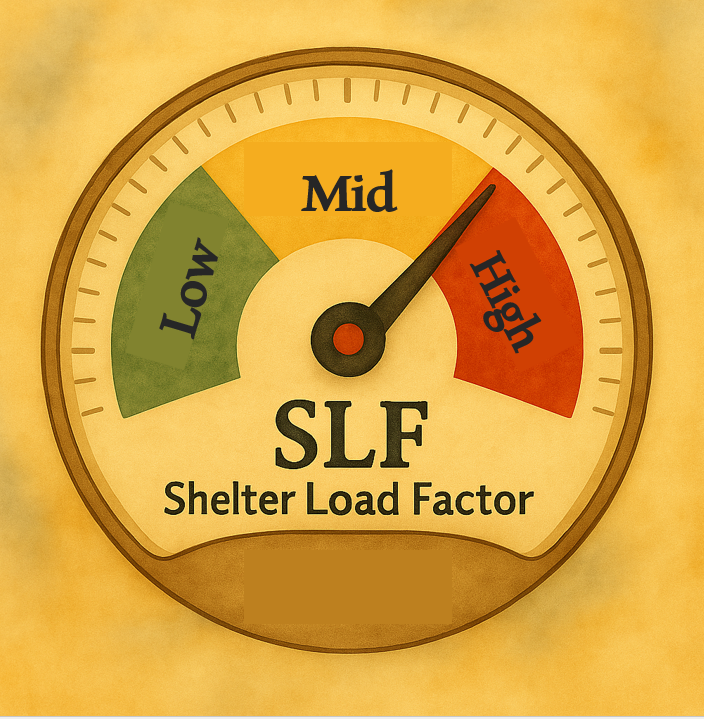
Shelter Load Factor: The Operational Metric Behind Every Crisis — And the ACSMM™ Framework That Makes It Measurable
Every animal shelter in America faces a daily, invisible challenge—one that determines whether it thrives, merely survives, or ultimately fails. This challenge isn’t just about funding, staffing, or even the number of animals in care. It’s about load: the cumulative, often unseen pressure that builds across every operational domain, from intake and medical care to staffing, infrastructure, and community demand.

Beyond the 90% Mirage
Across the country, many shelters proudly report a “90% save rate” as proof that progress has arrived. On paper, the achievement seems extraordinary — a testament to compassion and community commitment. Yet behind these numbers lies a troubling truth: the metric itself has become a mirage.