Beyond the 90% Mirage
How Transparent Structure Turns False Economies into Measurable, Sustainable Progress
In veritate potentia est — In truth, there is power
The Mirage of Success
Across the country, many shelters proudly report a “90% save rate” as proof that progress has arrived. On paper, the achievement seems extraordinary — a testament to compassion and community commitment. Yet behind these numbers lies a troubling truth: the metric itself has become a mirage.
For too many shelters, the 90% threshold functions more as a public relations shield than an operational benchmark. Beneath the veneer of success, animals are still dying, staff are still overwhelmed, and communities are still unaware of how fragile the system truly is. The problem isn’t a lack of compassion; it’s a lack of structure.
The pursuit of optics over outcomes has given rise to what can only be called false economies — decisions that appear efficient but cost lives and credibility in the long run. These shortcuts erode the public’s trust, stretch already exhausted staff, and undermine the transparency upon which real reform depends.

Where compassion meets confusion: shelters striving to save lives within systems that no longer serve them.
False Economies and Their Cost
Consider California’s ongoing struggles. In Apple Valley, cost-cutting and managerial negligence have led to animal suffering so severe it prompted legal intervention. In Riverside County, internal audits and public outcry have exposed inconsistencies in sterilization follow-ups, foster tracking, and data accuracy.
These aren’t isolated scandals; they’re symptoms of a deeper, structural failure — one where good people are trapped in bad systems. When the operational foundation is weak, no amount of moral intent can make the structure stand.
The pattern is predictable: policies without process, compassion without consistency, and accountability without tools. And while these shelters are filled with dedicated staff and volunteers, they are asked to operate within frameworks that reward speed over sustainability.
Without structure, “progress” becomes self-defeating. Lives saved today are lost tomorrow because the system itself cannot sustain success.
The Missing Infrastructure
The animal welfare field has reached a crossroads. It doesn’t need another slogan, campaign, or performance metric — it needs infrastructure. A national movement cannot rest on percentages; it must be built upon measurable, verifiable systems that endure leadership changes, funding cycles, and public opinion shifts.
That’s where the Animal Care Shelter Maturity Model (ACSMM™) comes in.
The ACSMM provides the structure that has long been missing — a transparent, evidence-based framework that transforms principle into practice. Through eight operational domains and six maturity levels, it offers shelters a clear way to measure where they stand, identify gaps, and chart a path toward sustainable progress.
Each domain — from governance and risk to community engagement and data management — gives leaders a way to turn values into verifiable outcomes. The model doesn’t judge; it clarifies. It doesn’t criticize; it measures. It does not compete with vendors; it welcomes their expertise and engagement. And it does what the “90% success rate” never could: it exposes the full operational landscape so that leadership can act with precision and accountability.

Every pawprint should leave a measurable trace — structure transforms good intentions into progress.
The Cycle of False Efficiency
False economies are often born from good intentions — the pressure to do more with less, to meet public expectations, to maintain the illusion of stability. But over time, these choices harden into habit: sterilizations delayed to cut costs, behavioral programs understaffed, records inconsistent, and euthanasia data massaged to preserve an image of success.
This is how the mirage sustains itself.
Only through transparent structure — the kind the ACSMM provides — can shelters escape this cycle. The model establishes measurable checkpoints, encourages academic validation, and replaces anecdotal management with a discipline of continuous improvement.
Where crisis-driven management burns out people and possibilities, structured maturity builds endurance. It gives shelter leaders the language and tools to justify needs, defend budgets, and sustain progress long after public attention fades.
Beyond Metrics: Building Trust Through Transparency
Transparency isn’t just about data — it’s about honesty, verification, and courage. Communities don’t expect perfection; they expect truth.
The ACSMM transforms transparency from a moral aspiration into an operational standard. When implemented across shelters, it produces verifiable data, consistent reporting, and public dashboards that rebuild trust one metric at a time.
Imagine a future where shelter transparency isn’t reactive but routine, where trust isn’t a crisis-management exercise but a byproduct of structure. That’s not idealism — it’s management discipline.
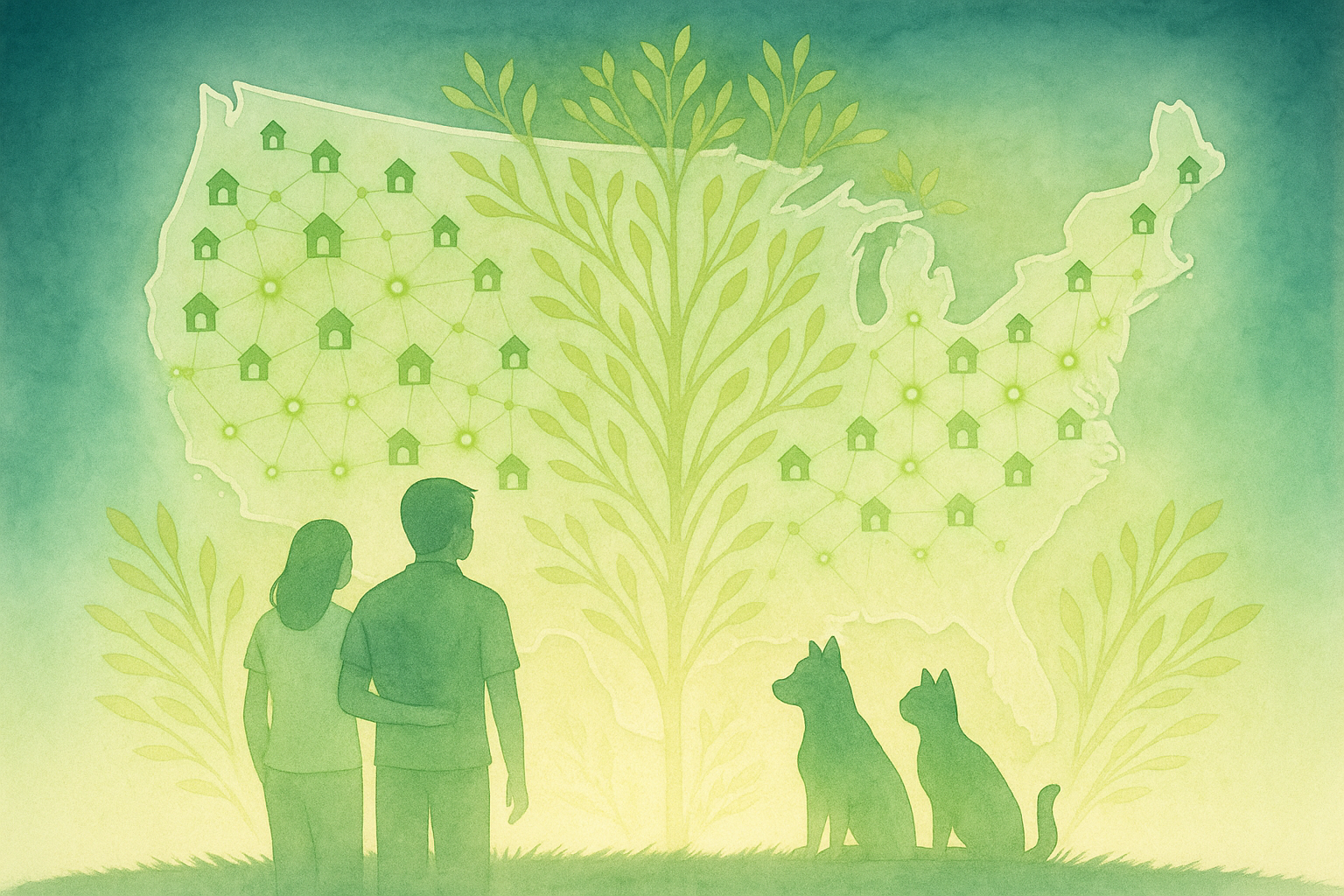
From isolated shelters to a connected nation of lifesaving — a future built on truth, structure, and compassion.
The Path Forward
To move beyond the 90% mirage, we must replace the comfort of metrics with the courage of measurement. The difference is subtle but profound: metrics can be manipulated; measurement reveals the truth.
If the No Kill movement is to fulfill its promise, it must evolve from moral advocacy to operational integrity. Compassion may start the journey, but structure sustains it.
The ACSMM exists for that very purpose — to turn compassion into competence, data into accountability, and hope into a system that endures.
Because the real measure of a humane society isn’t how many lives we save today, but how reliably we can save them tomorrow.
In veritate potentia est.
Author Note
Concept developed by Marv Serhan, Founder of The No Kill ACSMM™ Institute, a 501(c)(3) nonprofit dedicated to transforming animal shelter performance through structured maturity modeling and measurable accountability.
Learn more at www.acsmm.org.